Unlocking Genuine Connections: Your Guide to Mastering Social App Etiquette
Navigate the world of social apps with confidence. Learn the unwritten rules and best practices.
Think about the last place you went where you weren’t expected, weren’t working, and didn’t have to be anywhere after. Not your apartment. Not your desk. Somewhere you just… were, and other people happened to be there too.
If that took you a minute, you’re not alone. And it turns out there’s a name for the thing you were reaching for.
In 1989, sociologist Ray Oldenburg published a book called The Great Good Place, and gave us a phrase we’ve been using ever since. Home is the first place. Work is the second place. Everything else — the cafés, the barbershops, the corner bars, the bookstores, the parks where the same faces turn up every Saturday — those are third places.
Oldenburg described them as the public spots that host “the regular, voluntary, informal, and happily anticipated gatherings of individuals beyond the realms of home and work.” Which is a very academic way of saying: the place where you go for no reason, and run into people.
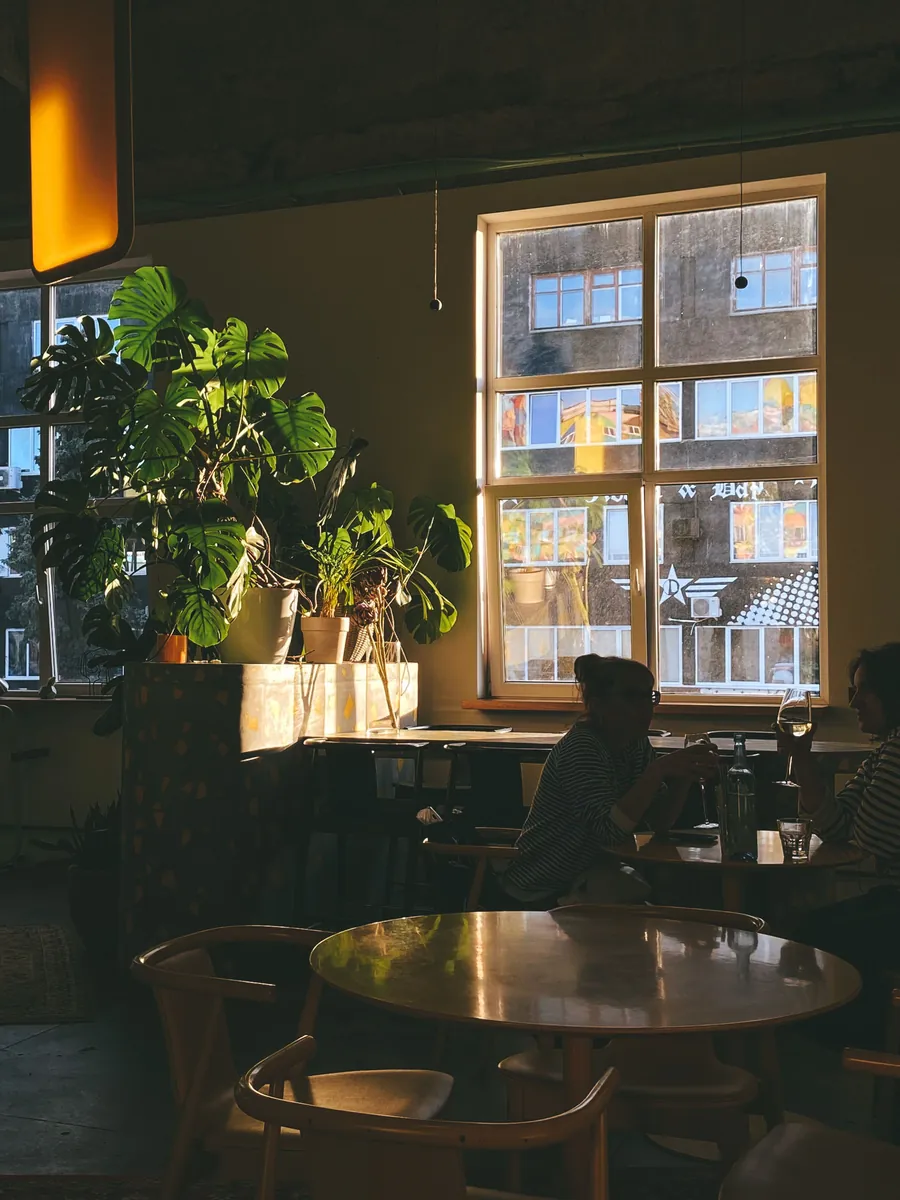
Not every business with chairs qualifies. Oldenburg was specific about it, and his list is worth reading closely, because it explains why some spots feel like home after two visits and others never do.
It’s neutral ground
Nobody’s hosting. Nobody’s a guest. You can arrive and leave whenever you like, and it costs you nothing socially either way.
It’s a leveler
Your job title doesn’t come through the door with you. What you do for a living matters less than whether you’re good company.
Conversation is the main activity
Not the soundtrack to something else. The point.
It’s accessible, and it has regulars
Open when you need it, close enough to get to, and populated by people who set the tone just by showing up.
The mood is playful
Wit over seriousness. Nobody’s networking.
It feels like a home away from home
Which is the whole trick. You get the warmth without the responsibility.
Here’s the part that stings.
Between 2003 and 2020, the average amount of time Americans spent in person with friends fell from roughly 60 minutes a day to about 20 — a two-thirds drop, tracked across nearly two decades by the American Time Use Survey. Among people aged 15 to 24, the fall was steeper still: from around 150 minutes a day to roughly 40.
In 2023 the U.S. Surgeon General went as far as issuing a public health advisory on loneliness and isolation, reporting that about half of American adults said they felt alone. Researchers at the Survey Center on American Life have been tracking the same slide from a different angle, and their numbers point the same direction.
The third place didn’t die in one dramatic moment. It got squeezed — by delivery, by remote work, by rising rents on exactly the kind of small, unglamorous business that made a good hangout, and by the fact that a phone will happily fill the gap a bar used to.

The obvious loss is fun. The less obvious one is how friendships actually get made.
Close relationships almost never start with a scheduled one-on-one. They start sideways — you keep running into the same person, you exchange nothing important several times, and then one day you’re actually talking. Third places are the machinery that makes those accidents happen. Take them away and you’re left trying to manufacture on purpose the thing that used to happen for free.
That’s genuinely hard. It’s also why so many people describe adult friendship as exhausting in a way it never used to be. It isn’t that you got worse at it. The infrastructure moved.
The good news is that a third place is more of a habit than a building. A few things that help:

We built Buffet because the hardest part of meeting people was never the meeting — it was everything you had to sort out beforehand. Where to go. Who’s free. Whether anyone will actually show up.
Buffet handles that part. You get a place, a time, and people who said yes to the same thing you did. Do it a few weeks running and you’ve got something that starts to look a lot like what Oldenburg was writing about.
Download the app and we’ll take care of the where. You just have to show up.
Navigate the world of social apps with confidence. Learn the unwritten rules and best practices.
First meetings don't have to be awkward. Discover techniques for authentic connections.

The definitive guide to making this Valentine's Day unforgettable in Los Angeles.